Trekking in Nepal is more than simply walking through the Himalayas. It is a journey through dramatic mountain landscapes, traditional villages, ancient monasteries, peaceful forests, high mountain passes, and some of the most spectacular scenery on Earth.
From the legendary Everest Base Camp Trek to the diverse Annapurna Circuit, peaceful Langtang Valley, remote Manaslu Circuit, and culturally rich Upper Mustang, Nepal offers trekking experiences for almost every type of traveler.
Whether you are planning your first Himalayan adventure or you are an experienced trekker looking for a remote route, this complete guide to trekking in Nepal in 2026 will help you understand the best trekking routes, seasons, permits, costs, accommodation, food, packing, altitude, safety, guides, transportation, and everything else you should know before starting your journey.
Why Is Trekking in Nepal So Popular?
Nepal is home to eight of the world's fourteen mountains above 8,000 meters, including Mount Everest, the highest mountain on Earth. But the appeal of trekking in Nepal is not limited to the mountains themselves.
What makes Nepal special is the combination of landscapes and cultures you experience along the trail.
A typical trek can take you from subtropical forests and terraced farmland to rhododendron forests, alpine meadows, glacial valleys, and high Himalayan passes. Along the way, you may walk through small mountain villages, cross suspension bridges, visit Buddhist monasteries, and stay in family-run teahouses.
The trekking experience also changes dramatically from one region to another.
The Everest region offers legendary Himalayan views and Sherpa culture. Annapurna combines mountain scenery with diverse landscapes and traditional villages. Langtang is relatively close to Kathmandu and provides an excellent introduction to Himalayan trekking. Manaslu and Kanchenjunga offer more remote experiences for travelers looking for fewer crowds.
This diversity is one of the main reasons Nepal remains one of the world's leading trekking destinations.
Best Treks in Nepal in 2026
There is no single "best trek" in Nepal. The right trek depends on your available time, fitness level, budget, preferred scenery, and how remote you want your adventure to be.
Here are some of the most popular trekking routes to consider in 2026.
1. Everest Base Camp Trek
The Everest Base Camp Trek is Nepal's most famous trekking adventure.
The classic route generally begins with a flight to the Lukla area and continues through Phakding, Namche Bazaar, Tengboche, Dingboche, Lobuche, and Gorakshep before reaching Everest Base Camp.
Many trekkers also climb Kala Patthar for one of the most impressive panoramic views of Mount Everest and the surrounding peaks.
The trek is not technically a mountaineering expedition. You do not need climbing experience to reach Everest Base Camp, but you do need good preparation because of the altitude.
A typical itinerary takes around 12–16 trekking days, depending on the route, acclimatization days, and transportation arrangements.
Highlights of Everest Base Camp Trek
- Mount Everest and surrounding Himalayan peaks
- Sherpa villages and culture
- Namche Bazaar
- Tengboche Monastery
- Sagarmatha National Park
- Everest Base Camp
- Kala Patthar
- Khumbu Glacier
- High-altitude landscapes
The Everest Base Camp Trek is particularly suitable for travelers who want a classic Himalayan experience and do not mind trekking on a relatively popular trail.
2. Annapurna Circuit Trek
The Annapurna Circuit Trek is famous for its incredible geographical and cultural diversity.
The route traditionally travels through lower mountain valleys, pine and rhododendron forests, Tibetan-influenced villages, and eventually the high-altitude Thorong La Pass.
Thorong La Pass reaches approximately 5,416 meters, making it one of the highest trekking passes in the world.
One of the best things about the Annapurna Circuit is the changing scenery. You can begin among green hills and terraced fields and eventually find yourself surrounded by dramatic high-altitude mountains.
Depending on road conditions, transportation, and the itinerary you choose, the classic Annapurna Circuit can be customized into shorter or longer versions.
Highlights
The Annapurna Circuit is an excellent option for trekkers who want variety rather than following the same landscape for many days.
3. Annapurna Base Camp Trek
The Annapurna Base Camp Trek, commonly known as the ABC Trek, is a shorter Himalayan adventure that takes you directly into a spectacular mountain amphitheater.
The trail passes through villages, terraced farmland, forests, and traditional settlements before reaching Annapurna Base Camp at approximately 4,130 meters.
The final approach into the sanctuary is particularly impressive. Massive peaks surround the valley, creating an unforgettable mountain panorama.
The trek can often be completed in around 7–12 days depending on the starting point, route, and itinerary.
Why Choose ABC?
-
Shorter than many major Himalayan treks
-
Spectacular mountain scenery
-
Excellent cultural experience
-
Beautiful rhododendron forests
-
Suitable for travelers with limited time
-
Can be combined with Poon Hill
For many first-time trekkers, ABC provides an excellent introduction to trekking in Nepal.
4. Langtang Valley Trek
If you want a Himalayan trek that is relatively close to Kathmandu, the Langtang Valley Trek is one of the best choices.
The journey begins with a drive from Kathmandu toward the Langtang region. From there, the trail enters forests, traditional villages, and the beautiful Langtang Valley.
The trek eventually reaches Kyanjin Gompa, surrounded by spectacular Himalayan peaks.
You can also explore nearby viewpoints such as Kyanjin Ri, depending on weather, conditions, and your trekking plan.
Langtang Trek Highlights
Langtang is particularly attractive for travelers who have limited time but still want a genuine Himalayan trekking experience.
5. Manaslu Circuit Trek
The Manaslu Circuit Trek is one of Nepal's most rewarding alternatives to the busier classic routes.
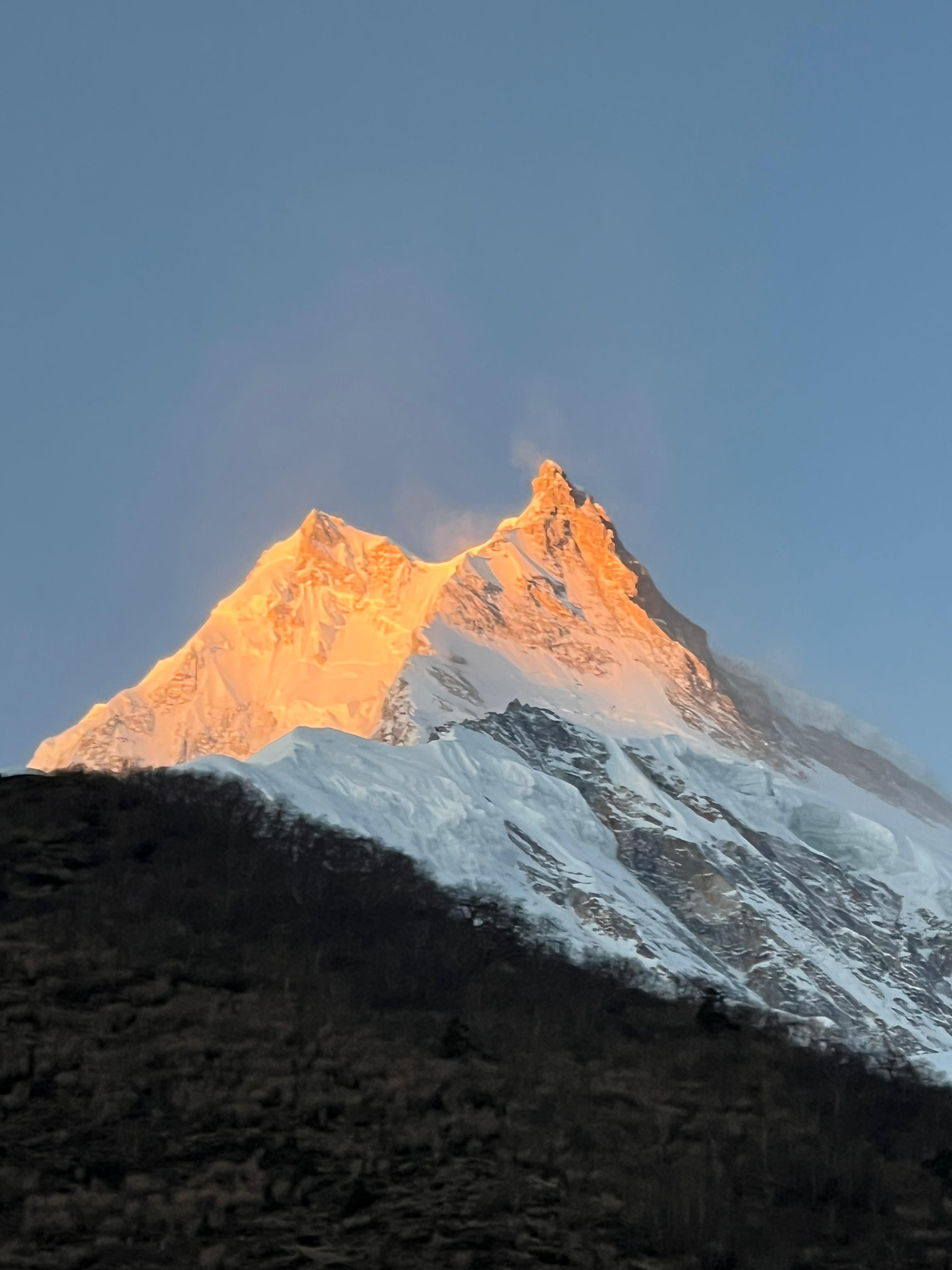
The trail circles Mount Manaslu, the world's eighth-highest mountain, while passing through remote villages, dramatic valleys, Buddhist monasteries, and high mountain terrain.
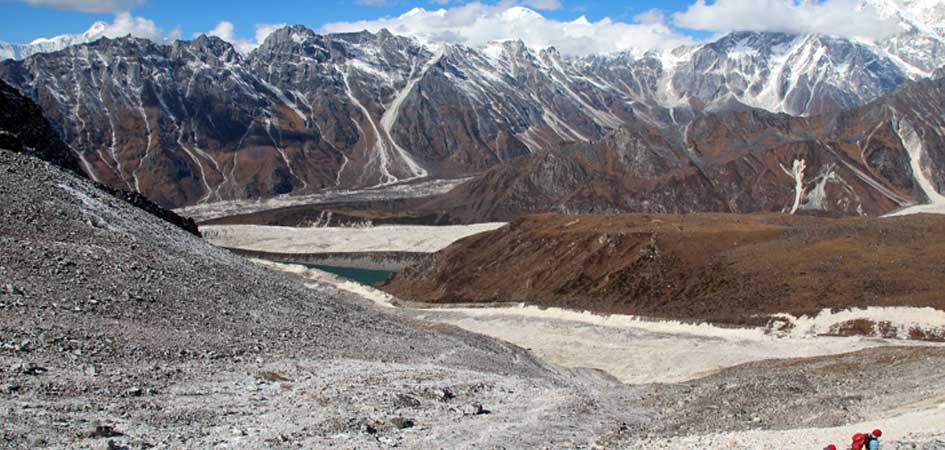
The route eventually crosses Larkya La Pass, at approximately 5,106 meters.
Manaslu feels more remote than many popular trekking routes. Infrastructure is developing, but the experience remains relatively wild and culturally rich.
Because parts of the Manaslu region are restricted, trekking here requires specific permits and arrangements through a registered trekking operator. Current 2026 permit requirements and fees should be confirmed before departure because restricted-area regulations can change.
Best For
-
Experienced trekkers
-
Travelers seeking quieter trails
-
Mountain and cultural enthusiasts
-
Trekkers interested in remote Nepal
-
People who want an alternative to Everest and Annapurna
6. Gokyo Valley Trek
The Gokyo Valley Trek is an excellent choice if you want spectacular Everest-region scenery without following the standard Everest Base Camp route all the way.
The trek passes through Namche Bazaar and continues toward the beautiful Gokyo Valley.
The turquoise Gokyo Lakes, surrounding glaciers, and high mountain views are the major attractions.
A climb of Gokyo Ri provides a spectacular viewpoint over Everest and other Himalayan giants.
For experienced trekkers, Gokyo can also be combined with the Everest Base Camp route through the Cho La Pass.
7. Mardi Himal Trek
The Mardi Himal Trek has become one of Nepal's most popular short trekking routes.
Located in the Annapurna region, it provides excellent mountain views while requiring less time than longer Himalayan circuits.
The trail passes through forests, mountain villages, and alpine terrain before reaching higher viewpoints overlooking the Annapurna range and Machhapuchhre, also known as Fishtail.
It is a good choice if you have approximately one week and want a Himalayan trekking experience without committing to a two-week expedition.
8. Poon Hill Trek
The Ghorepani Poon Hill Trek is one of the classic short treks in Nepal.
Poon Hill is particularly famous for sunrise views over the Annapurna and Dhaulagiri ranges.
The trek passes through beautiful rhododendron forests and traditional villages.
Because the route is relatively short and has extensive teahouse infrastructure, it is popular with first-time trekkers and travelers who want a shorter Himalayan adventure.
9. Upper Mustang Trek
Upper Mustang is completely different from the green valleys of Annapurna or the Everest region.
The landscape is dry, dramatic, and influenced by Tibetan culture. Deep gorges, barren cliffs, caves, ancient monasteries, and traditional villages create an almost desert-like Himalayan environment.
Lo Manthang is the cultural center of the region and one of the highlights of the journey.
Upper Mustang is a restricted area, so special permits and registered trekking arrangements are required.
Because restricted-area permit costs can be substantially higher than those for classic trekking regions, travelers should check the current 2026 requirements before booking.
10. Kanchenjunga Trek
For trekkers looking for a genuinely remote Himalayan adventure, the Kanchenjunga Trek is an excellent option.
Kanchenjunga is the world's third-highest mountain, and the trekking region is much less crowded than Everest and Annapurna.
The trek takes you through remote villages, forests, high mountain valleys, and spectacular landscapes.
It requires considerably more time and preparation than short trekking routes, so it is best suited to experienced trekkers or travelers working with an experienced trekking operator.
When Is the Best Time for Trekking in Nepal?
Choosing the right season can make a huge difference to your trekking experience.
Nepal has four main seasons, but the most popular trekking periods are spring and autumn.
Spring: March to May
Spring is one of the best seasons for trekking in Nepal.
The weather is generally comfortable at lower elevations, and the mountain landscape becomes particularly beautiful as rhododendrons bloom.
March can still be cold at higher elevations, while April and May are often warmer.
Spring advantages
-
Beautiful rhododendron forests
-
Good mountain visibility
-
Pleasant daytime temperatures
-
Excellent trekking conditions
-
Popular season for Everest expeditions
Autumn: September to November
Autumn is traditionally considered the prime trekking season in Nepal.
After the summer monsoon, the atmosphere often becomes clearer and mountain views can be spectacular.
October and November are especially popular.
The downside is that the most famous trails can become busy, especially around Everest and Annapurna.
If you want quieter trails during autumn, consider less crowded routes such as Manaslu, Kanchenjunga, or certain areas of Langtang.
Winter: December to February
Winter trekking is possible in many lower and mid-altitude regions.
However, high passes and high-altitude routes can become extremely cold, and snowfall can affect trail conditions.
Lower-altitude treks such as Poon Hill and some sections of the Annapurna and Langtang regions can be attractive during winter when weather conditions are suitable.
Always check current conditions before heading toward high passes.
Monsoon: June to August
The summer monsoon brings heavy rainfall to much of Nepal.
Rain can make trails muddy and slippery, while clouds can reduce mountain visibility. Landslides can also affect road transportation.
However, this does not mean every part of Nepal is unsuitable during monsoon.
Rain-shadow areas such as Upper Mustang and parts of the Dolpo region can provide alternative trekking opportunities.
For most first-time visitors, however, spring or autumn is generally easier for planning.
Nepal Trekking Permits in 2026
Permits are an important part of planning a trek in Nepal.
The exact permits depend on your trekking region.
Common permits include:
-
TIMS-related trekking registration
-
National park entry permits
-
Conservation area permits
-
Local-area fees
-
Restricted Area Permits for certain regions
For example, Annapurna routes involve the Annapurna Conservation Area, while Everest routes involve Sagarmatha National Park and the Khumbu area.
Langtang trekking requires entry into Langtang National Park.
Restricted regions such as Manaslu and Upper Mustang have additional requirements.
Permit rules and fee structures have changed in recent years, so do not rely on an old trekking blog when planning a 2026 trip. Current 2026 sources report different combinations and enforcement details for some permits, making it especially important to confirm requirements with the relevant authorities or your registered trekking agency before departure.
A licensed trekking agency can normally handle the necessary paperwork and explain which permits apply to your specific itinerary.
Is a Guide Required for Trekking in Nepal in 2026?
Guide requirements are an important consideration for anyone planning a Nepal trek.
Nepal introduced a broader mandatory-guide policy for many trekking routes beginning in 2023, and current 2026 trekking information continues to emphasize licensed guides for major trekking areas.
Requirements can differ depending on the exact route and regulations in force, so trekkers should confirm the latest rule before departure.
Hiring a guide is not simply about satisfying a regulation.
A good guide can help with:
On remote routes, the value of an experienced local guide becomes even greater.
How Much Does Trekking in Nepal Cost in 2026?
There is no single price for trekking in Nepal.
Your total cost depends on:
A short trek around Pokhara can cost much less than a two- or three-week remote trek.
Similarly, a teahouse trek is generally less expensive than a fully supported camping expedition.
Main Trekking Expenses
Accommodation
Most popular trekking routes have teahouses and lodges.
Prices tend to increase with altitude because supplies have to be transported from lower elevations.
In busy seasons, it is wise to plan accommodation in advance on popular routes.
Food
Dal bhat is one of the most common meals on Nepal's trekking trails.
You will also find:
-
Noodles
-
Rice dishes
-
Soups
-
Pasta
-
Momos
-
Potatoes
-
Eggs
-
Pancakes
-
Bread
-
Tea
-
Coffee
Food choices become more limited as you travel higher and farther from major settlements.
Guide
Guide costs depend on experience, route, duration, group size, and services included.
Restricted and technical routes generally require more specialized support.
Porter
Hiring a porter can make a major difference on longer treks.
Instead of carrying a heavy backpack every day, you can carry only the essentials you need during the day's walk.
Porter services also provide important employment opportunities for mountain communities.
What Should You Pack for Trekking in Nepal?
One of the most common mistakes first-time trekkers make is packing too much.
You do not need to bring your entire wardrobe to Nepal.
Your packing list should depend on the altitude, season, and duration of the trek.
Essential Trekking Gear
Clothing
Bring layers rather than relying on one extremely heavy jacket.
A basic system can include:
Footwear
Good hiking boots are essential.
Most importantly, make sure your boots are comfortable and properly broken in before the trek.
Do not arrive in Nepal with completely new boots and immediately begin a long Himalayan trek.
Backpack
A comfortable daypack of around 25–35 liters can be suitable for many supported teahouse treks.
If you are carrying all your own equipment, you may need a larger backpack.
Other Essentials
Your checklist should also include:
For high-altitude treks, a suitable sleeping bag can also be useful, particularly during colder seasons.
Altitude and Acclimatization
Altitude is one of the most important factors to understand before trekking in Nepal.
A trek may not be technically difficult, but altitude can make a relatively easy walking day feel challenging.
This is why acclimatization days are built into many high-altitude itineraries.
For example, Everest Base Camp itineraries commonly include acclimatization around Namche Bazaar and Dingboche.
The goal is to give your body time to adjust gradually to reduced oxygen availability.
Practical Altitude Tips
-
Walk at a comfortable pace.
-
Do not rush to reach the destination.
-
Drink enough fluids.
-
Eat regularly.
-
Follow your guide's advice.
-
Allow appropriate acclimatization days.
-
Tell your guide if you feel unwell.
-
Do not ignore worsening symptoms.
Altitude illness can affect anyone, regardless of age or fitness level.
The safest approach is to ascend gradually and take symptoms seriously.
If someone develops significant or worsening altitude-related symptoms, the appropriate response is to stop ascending and seek professional medical assistance according to the advice of qualified guides or medical professionals.
How Difficult Is Trekking in Nepal?
The difficulty of a trek depends on much more than distance.
Factors include:
-
Altitude
-
Elevation gain
-
Trail conditions
-
Duration
-
Weather
-
Number of rest days
-
Backpack weight
-
Individual fitness
Easy to Moderate Treks
Good options for beginners may include:
Moderate to Challenging
Examples include:
-
Annapurna Circuit
-
Annapurna Base Camp
-
Everest Base Camp
-
Gokyo Valley
Challenging
Routes such as:
-
Manaslu Circuit
-
Three Passes Trek
-
Kanchenjunga
-
Upper Dolpo
require more preparation, time, and careful planning.
This does not mean beginners can never undertake challenging treks. It simply means the itinerary should match their experience, preparation, and available support.
Teahouse Trekking in Nepal
One of the things that makes Nepal unique is the availability of teahouse accommodation on many trekking routes.
A teahouse is usually a simple mountain lodge offering rooms and meals.
You may sleep in a basic private or shared room and eat meals in a common dining area.
As you travel farther into the mountains, facilities become simpler.
At lower elevations, you may have access to Wi-Fi, hot showers, charging facilities, and a variety of food.
Higher up, these services may be limited or more expensive.
The simplicity is part of the experience.
After several hours of walking through the mountains, sitting around a warm dining room with other trekkers can become one of the most memorable parts of the journey.
Food During Trekking in Nepal
You will not go hungry on the major trekking routes.
The most famous trekking meal is dal bhat, a combination of rice, lentil soup, vegetables, and other side dishes.
It is popular because it is filling and provides a practical source of energy.
Other common trekking foods include:
-
Momos
-
Tibetan bread
-
Noodles
-
Fried rice
-
Pasta
-
Soup
-
Potatoes
-
Eggs
-
Pancakes
-
Porridge
-
Sherpa stew
At higher elevations, menus may become smaller because transporting ingredients is difficult and expensive.
Drinking Water on the Trail
Staying hydrated is important during trekking.
Bottled water is available in many villages, but buying plastic bottles throughout a trek creates unnecessary waste and can become expensive.
Many trekkers carry a reusable bottle or hydration bladder and use a suitable water purification method.
Options can include:
Ask your guide about local water sources and the safest option for your route.
Transportation for Trekking in Nepal
Getting to the trailhead is part of the adventure.
Depending on the trek, you may travel by:
The Everest region traditionally involves a flight to Lukla, although transportation arrangements can vary with seasonal airport operations and weather.
Annapurna and Manaslu routes have increasingly been affected by road development, allowing trekkers to start farther along the traditional routes in some itineraries.
However, road conditions can change, so your itinerary should be flexible.
Trekking Responsibly in Nepal
The Himalayas are beautiful but fragile.
As trekking becomes more popular, responsible tourism becomes increasingly important.
Simple choices can make a difference.
Carry Your Waste
Do not leave plastic, food packaging, batteries, or other rubbish on the trail.
Reduce Plastic
Use refillable bottles whenever practical.
Respect Local Culture
Ask before photographing people.
Dress respectfully around monasteries and religious sites.
Follow local customs.
Support Local Communities
Choose locally owned teahouses, guides, porters, and businesses whenever possible.
Your spending can directly contribute to mountain communities.
Protect Nature
Stay on established trails where possible and avoid disturbing wildlife or vegetation.
Trekking Insurance for Nepal
Travel insurance is an important part of planning a Himalayan trek.
A normal travel insurance policy may not automatically cover trekking at high altitude.
Before buying a policy, carefully check:
If your itinerary includes high passes or remote areas, make sure the policy actually covers the activities and elevations involved.
Do not assume that because a company advertises "adventure travel insurance," every Himalayan trekking situation is covered.
How to Prepare for Trekking in Nepal
You do not need to become an elite athlete before coming to Nepal.
However, preparation helps.
Start walking regularly several weeks or months before your trip.
Useful preparation can include:
The goal is not to walk extremely fast.
In the Himalayas, consistency is more important than speed.
A slow and steady trekker often has a much better experience than someone who tries to race through the itinerary.
Nepal Trekking Itinerary Planning
A good itinerary should have enough time for the actual walking as well as acclimatization and unexpected delays.
For high-altitude treks, avoid creating an itinerary that looks impressive on paper but leaves no flexibility.
For example, a two-week Everest Base Camp itinerary may include:
Day 1: Arrival in Kathmandu
Day 2: Kathmandu preparation and sightseeing
Day 3: Travel to the Everest region
Day 4: Trek to Namche Bazaar
Day 5: Acclimatization in Namche
Day 6: Trek toward Tengboche
Day 7: Trek to Dingboche
Day 8: Acclimatization
Day 9: Trek to Lobuche
Day 10: Gorakshep and Everest Base Camp
Day 11: Kala Patthar and return toward lower elevations
Day 12: Trek toward Namche
Day 13: Return toward Lukla
Day 14: Return to Kathmandu
Exact itineraries vary depending on transportation, weather, acclimatization strategy, and the route selected.
For other regions, such as Annapurna or Langtang, itineraries can be much shorter.
Trekking in Nepal for Beginners
If this is your first Himalayan trek, do not feel pressured to choose Everest Base Camp simply because it is famous.
Start with the type of experience you actually want.
If you have limited time, consider:
-
Poon Hill
-
Mardi Himal
-
Langtang Valley
-
Short Annapurna routes
If you have more time and want a major Himalayan goal, consider:
-
Everest Base Camp
-
Annapurna Circuit
-
Annapurna Base Camp
-
Gokyo Valley
Your first trek should be challenging enough to be exciting but realistic enough to enjoy.
Trekking in Nepal Without a Guide
The rules surrounding independent trekking have changed significantly in recent years.
Current 2026 trekking information generally emphasizes licensed-guide requirements on major trekking routes, although exact requirements can depend on the region and current government rules.
Even where independent arrangements may be permitted, a guide can provide significant advantages.
A local guide knows the trail, understands local customs, can communicate with accommodation providers, and can assist when plans change.
For remote and restricted routes, professional support becomes even more important.
Best Trekking Regions in Nepal
Nepal can broadly be divided into several major trekking regions.
Everest Region
Best for:
-
Everest Base Camp
-
Gokyo
-
Three Passes
-
Sherpa culture
-
High mountain scenery
Annapurna Region
Best for:
-
Annapurna Circuit
-
Annapurna Base Camp
-
Mardi Himal
-
Poon Hill
-
Diverse landscapes
Langtang Region
Best for:
Manaslu Region
Best for:
Mustang
Best for:
Kanchenjunga
Best for:
How to Choose the Right Trek in Nepal
Ask yourself five questions before booking.
1. How much time do I have?
If you have only a week, choose a shorter trek.
If you have two to three weeks, you can consider Everest, Annapurna Circuit, Manaslu, or other longer routes.
2. What altitude am I comfortable with?
Higher altitude requires more acclimatization and preparation.
3. Do I want mountains or culture?
Although most treks offer both, some routes emphasize different experiences.
4. Do I want crowds or solitude?
Everest and Annapurna are popular.
Manaslu, Kanchenjunga, and some remote routes offer a quieter experience.
5. What is my budget?
Shorter routes generally cost less.
Remote treks, restricted areas, flights, specialist guides, and longer itineraries increase the overall cost.
Is Trekking in Nepal Worth It in 2026?
Absolutely.
But the best trek is not necessarily the most famous one.
For some travelers, Everest Base Camp is a lifelong dream.
For others, the quiet villages of Langtang are more meaningful.
Some travelers want to cross Thorong La on the Annapurna Circuit. Others want the remote landscapes of Manaslu or the cultural richness of Upper Mustang.
The beauty of Nepal is that you can choose.
The country's trekking network offers everything from short Himalayan walks to demanding multi-week adventures.
And while infrastructure, regulations, transportation, and tourism continue to evolve, the core experience remains the same: walking slowly through some of the most spectacular landscapes on Earth and meeting the people who call these mountains home.
Frequently Asked Questions About Trekking in Nepal
What is the best trek in Nepal?
Everest Base Camp is the most famous, but Annapurna Circuit, Annapurna Base Camp, Langtang, Manaslu, Gokyo, and Mardi Himal are also excellent choices. The best trek depends on your time, fitness, budget, and interests.
What is the best month for trekking in Nepal?
October and November are traditionally among the best months, while March, April, and May also offer excellent trekking conditions in many regions.
Is Nepal good for beginner trekkers?
Yes. Nepal has several beginner-friendly routes, including Poon Hill, Mardi Himal, and shorter Langtang and Annapurna itineraries.
How many days do I need for trekking in Nepal?
It depends on the route. Short treks can take around 4–7 days, while Everest Base Camp and longer circuits can take 12–20+ days.
Do I need a guide for trekking in Nepal?
Current 2026 rules generally require licensed guides on major trekking routes, with specific requirements depending on the region. Always confirm the latest regulations before your trek.
Is trekking in Nepal expensive?
It can be affordable compared with many international adventure destinations, but the cost varies significantly depending on the route, duration, guide, permits, transportation, accommodation, and services.
Can I trek in Nepal during winter?
Yes, especially at lower elevations. High-altitude routes and passes can be much colder and may have snow-related difficulties.
Can I trek during the monsoon?
Yes, but most classic trekking routes experience substantial rainfall. Rain-shadow areas such as Upper Mustang can be better alternatives during this period.
What is the highest trekking destination in Nepal?
There are many high-altitude trekking routes. Everest-region routes can take trekkers above 5,000 meters, while high-pass routes such as the Three Passes Trek reach even higher elevations.
Is Everest Base Camp difficult?
Everest Base Camp is physically demanding because of the altitude, long walking days, and terrain. It does not normally require technical climbing, but proper acclimatization and preparation are essential.