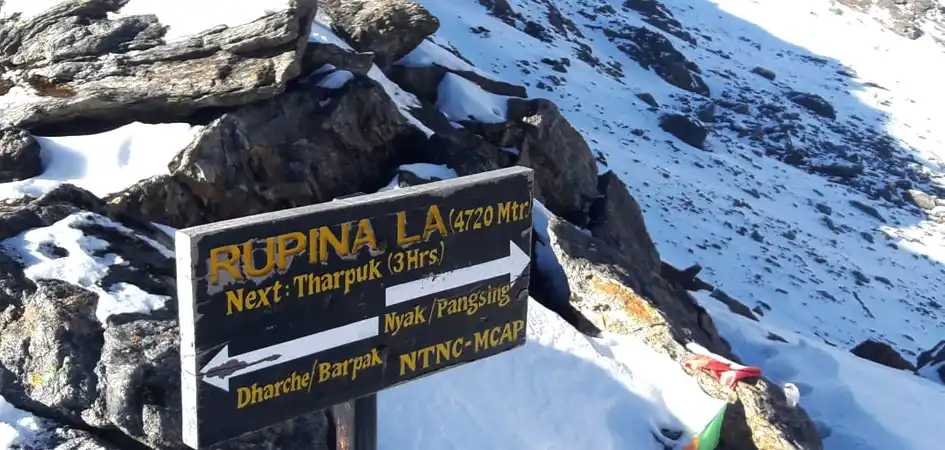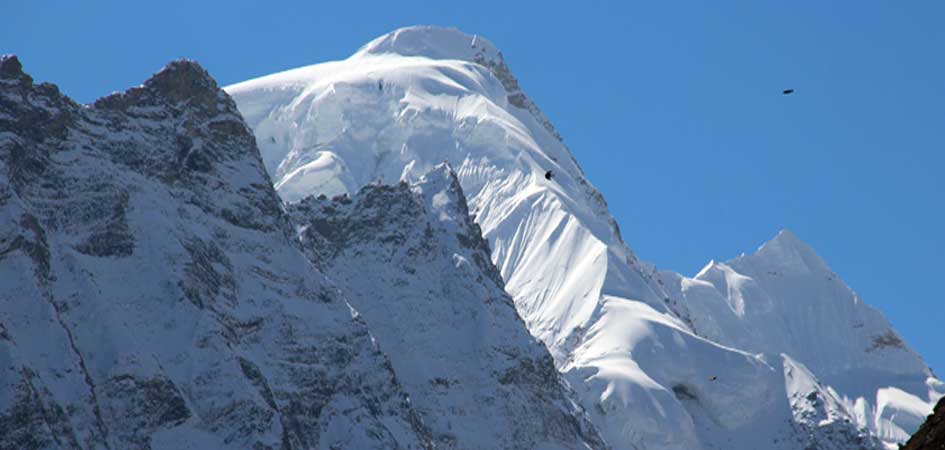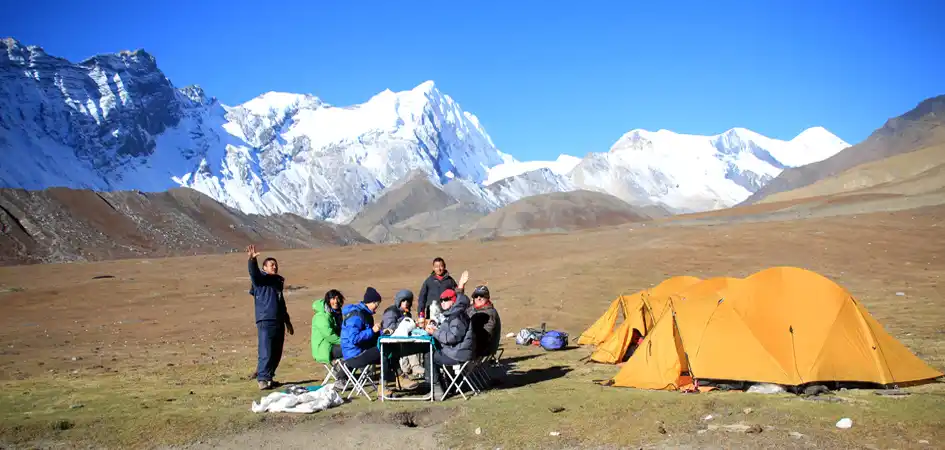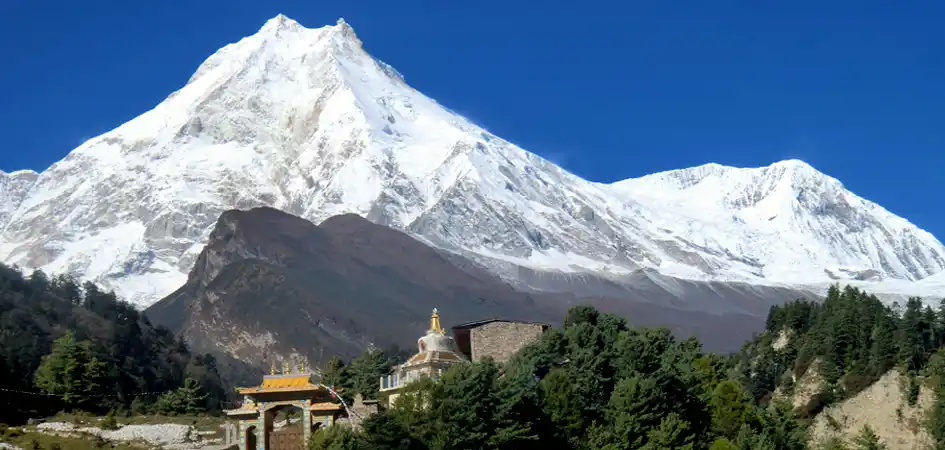
The Manaslu Circuit Trek begins with a scenic drive from Kathmandu to Machha Khola, following the dramatic Budhi Gandaki River valley. The trail winds through charming mountain villages including Jagat, Deng, Namrung, and Samagaun before reaching the spectacular Larkya La Pass and descending toward Dharapani, where the route connects with the Annapurna Circuit.
Circling the majestic Mount Manaslu (8,163m), this trek is one of Nepal’s most authentic and less-crowded Himalayan adventures. As a restricted-area trek, it offers pristine landscapes, remote mountain scenery, and a rich Tibetan-influenced culture. From lush lower valleys and terraced rice fields to rugged high-altitude terrain and the challenging Larkya La Pass (5,106m), the Manaslu Circuit is an ideal choice for trekkers seeking adventure, tranquility, cultural immersion, and an authentic off-the-beaten-path experience
Highlights
- Enjoy close-up views of Mount Manaslu (8,163 m), the world’s eighth-highest mountain.
- Cross the spectacular Larkya La Pass (5,160 m) and admire sweeping Himalayan panoramas.
- Explore the remote and pristine landscapes of the Manaslu Conservation Area.
- Discover authentic Tibetan-influenced culture, ancient monasteries, mani walls, and colorful prayer flags.
- Visit traditional Himalayan villages including Jagat, Namrung, Sama Gaon, and Samdo.
- Experience diverse scenery, from lush river valleys and dense forests to rugged alpine landscapes and glaciers.
- Follow the scenic Budhi Gandaki River, crossing suspension bridges and passing cascading waterfalls.
- Take an acclimatization hike toward Manaslu Base Camp for spectacular views of glaciers and surrounding peaks.
Best Time to Trek the Manaslu Circuit
Choosing the best time to trek the Manaslu Circuit can make a major difference to your overall Himalayan adventure. Although the route is technically accessible during different times of the year, spring and autumn are widely considered the ideal trekking seasons. These months generally offer stable weather, comfortable temperatures, clear mountain views, and better trail conditions.
Spring runs from March to May, while autumn covers September to November. Both seasons attract trekkers from around the world, so the Manaslu trail can be busier than during the quieter months. Summer and winter are considered more challenging because of rain, snow, colder temperatures, and changing trail conditions.
Here is what you can expect in each season.
Spring (March to May)
Spring is one of the best seasons for the Manaslu Circuit Trek. As winter gradually ends, temperatures become more comfortable and the landscape starts coming alive. The hills are covered with blooming rhododendrons and other wildflowers, creating beautiful scenery along the trail.
The weather is generally favorable, with relatively clear skies and good visibility of the surrounding Himalayan peaks. Higher elevations remain cold, but daytime trekking conditions are usually pleasant.
Spring is an excellent choice for trekkers who want a combination of good weather, mountain views, colorful landscapes, and comfortable trail conditions. It is also a particularly rewarding season for photography.
Autumn (September to November)
Autumn is another excellent time to trek the Manaslu Circuit and is often regarded as the peak trekking season in Nepal. The monsoon gradually clears by September, leaving behind fresh landscapes and improved visibility.
October and November usually provide some of the most stable trekking conditions. The skies are often clear, temperatures are comfortable, and the spectacular peaks of the Manaslu region can be seen more clearly.
Autumn also coincides with major Nepali festivals such as Dashain and Tihar, giving trekkers an opportunity to experience local culture and celebrations. Because of its favorable weather, however, the trail can be relatively busy during this period.
Summer and Monsoon (June to August)
Summer is generally not the ideal time for the Manaslu Circuit Trek. The monsoon brings frequent rainfall to lower sections of the route, making trails muddy, wet, and slippery.
Clouds can also cover the Himalayan peaks, reducing mountain visibility. Rain may occasionally affect transportation and trail conditions, while leeches can become an additional nuisance in wetter areas.
The main advantage of trekking during the monsoon is that there are fewer trekkers on the trail. However, anyone considering a summer trek should be prepared for unpredictable weather, wet trails, and limited mountain views.
Winter (December to February)
Winter is the most challenging season for the Manaslu Circuit, particularly at higher elevations. Temperatures can drop significantly, and heavy snowfall may affect high-altitude sections and Larkya La Pass.
Snow-covered trails, freezing nights, and limited accommodation availability can make the journey considerably more demanding. Crossing high passes may also become difficult or unsafe when conditions deteriorate.
Winter trekking is therefore better suited to experienced trekkers with appropriate equipment, strong preparation, and flexibility. Beginners are generally better off choosing spring or autumn for their first Manaslu Circuit adventure.
Which Season Is Best for the Manaslu Circuit?
For most trekkers, March to May and September to November are the best times to trek the Manaslu Circuit. Spring offers blooming rhododendrons and pleasant trekking conditions, while autumn is known for clear skies, excellent mountain visibility, and stable weather.
If your priority is the best overall trekking experience, autumn—especially October and November—is an excellent choice. If you prefer colorful landscapes and spring flowers, March to May is equally rewarding.
Regardless of when you travel, conditions in the Manaslu region can change quickly. Proper preparation, suitable trekking gear, and an experienced guide are important for a safe and enjoyable journey through this remote Himalayan region.
How Challenging Is the Manaslu Circuit Trek?
The Manaslu Circuit Trek is a moderate to challenging high-altitude trek that combines rugged mountain terrain, long walking days, remote landscapes, and significant elevation gains. The route covers approximately 177 km and is more remote than many of Nepal’s popular trekking routes, with basic teahouse facilities in several sections. Trekkers should be prepared for limited amenities and changing trail conditions.
Good physical fitness and mental preparation are essential for completing the Manaslu Circuit Trek comfortably. The most demanding section is the trek from Dharamsala to Bimthang via Larkya La Pass, which involves crossing the high Larkya La Pass (5,160 m). This challenging day typically requires around 8–10 hours of trekking, including a steep ascent to the pass and a long descent toward Bimthang.
Altitude is another major challenge, as the trek reaches elevations above 5,000 meters, increasing the risk of altitude sickness. Proper acclimatization, a gradual walking pace, adequate hydration, and following your guide’s recommendations are essential. With appropriate preparation, acclimatization, and professional guidance, trekkers with good fitness can successfully complete this spectacular Himalayan adventure.
Accommodation During the Manaslu Circuit Trek
We focus on providing comfortable and authentic accommodation throughout your Manaslu Circuit Trek. In Kathmandu, we generally arrange a 3-star hotel, although the category can be upgraded according to your preference and budget.
Once the trek begins, accommodation becomes simpler and more traditional. Most nights are spent in local tea houses and mountain lodges, usually in twin-sharing rooms. Facilities are basic but welcoming, giving you an opportunity to experience the lifestyle of the Himalayan communities. Bathrooms may be private or shared depending on the location, while hot showers are available at selected tea houses for an additional charge.
Wi-Fi and electricity are available in many villages, but the services can be limited at higher elevations. Charging electronic devices and using Wi-Fi may require an extra payment, particularly where electricity is generated through solar power.
Meals and Drinking Water on the Manaslu Circuit Trek
Meals during the trek combine traditional Nepali, Tibetan, and international dishes. Tea houses prepare fresh, hearty food designed to provide the energy you need for long days on the trail.
Popular local dishes include dal bhat, momos, thukpa, Tibetan bread, tsampa, gundruk soup, dhido, butter tea, tingmo, and shakpa. Depending on the tea house, you can also enjoy pancakes, porridge, pasta, spaghetti, fried rice, noodles, and vegetable dishes.
For drinking water, we recommend carrying a reusable water bottle or hydration bladder and refilling it at designated water sources along the trail. Since untreated mountain water may contain contaminants, always purify it using a water filter, purification tablets, or another reliable treatment method before drinking. Bottled water is also available at some settlements, but it becomes increasingly expensive at higher elevations.
Guide and Porter Service for the Manaslu Circuit Trek
A knowledgeable guide and reliable porter can make your Manaslu Circuit Trek safer, easier, and more enjoyable. We provide an experienced, licensed, and English-speaking trekking guide who will accompany you throughout the journey.
Your guide will assist with route navigation, accommodation arrangements, communication with local communities, and other practical matters along the trail. If available, we can also arrange a guide who speaks your preferred language.
A porter will carry your main trekking luggage, generally up to around 20 kg, allowing you to walk with only a light daypack. The porter usually travels at a different pace and may reach the next tea house ahead of you rather than staying beside you throughout the day's walk. This service lets you concentrate on the trail, scenery, and Himalayan experience without carrying a heavy load.
Manaslu Circuit Trek Permits
The Manaslu Circuit Trek requires several permits because the region is classified as a restricted trekking area. These permits are essential for entering and trekking through the Manaslu region and are generally arranged by a registered trekking agency as part of the trekking package.
The main permits required for the Manaslu Circuit Trek include:
- Manaslu Restricted Area Permit (RAP)
- Manaslu Conservation Area Permit (MCAP)
- Annapurna Conservation Area Permit (ACAP)
Trekkers looking for a longer and more culturally immersive adventure can combine the Manaslu Circuit with the Tsum Valley Trek. This extension requires an additional Tsum Valley Restricted Area Permit.
Because Manaslu is a restricted trekking region, trekkers must travel with a licensed trekking guide, and the required permits must be obtained through a registered trekking agency.
Travel Insurance
Travel insurance is an important part of preparing for the Manaslu Circuit Trek, particularly because the route passes through remote mountain areas and reaches high elevations. The trek begins at around 930 meters and gradually climbs above 5,000 meters before crossing the Larkya La Pass at 5,106 meters. For this reason, your insurance policy should provide coverage for emergency medical treatment, altitude-related illnesses, and helicopter or other emergency evacuation when required.
When choosing travel insurance for the Manaslu trekking route, make sure the policy specifically covers high-altitude trekking and adventure activities in Nepal. It is advisable to choose a plan that covers trekking up to at least 6,000 meters, giving you an additional safety margin. Your policy should also ideally include trip cancellation or interruption, lost or stolen baggage, personal liability, and other unexpected travel expenses.
Before purchasing a policy, carefully check the altitude limit, medical coverage, evacuation conditions, exclusions, and claim procedures. Not every standard travel insurance plan covers trekking at high altitudes, so confirming these details in advance is essential. Having comprehensive travel insurance gives you greater peace of mind and can make it easier to arrange timely assistance in case of an emergency during the Manaslu Circuit Trek.
Is Manaslu Circuit Better Than Annapurna Circuit?
The Manaslu Circuit Trek vs. Annapurna Circuit Trek depends on your trekking preferences. Annapurna offers better road access, more accommodation, and developed facilities, making it a more convenient option. Manaslu is quieter, more remote, and culturally authentic, with fewer trekkers and traditional mountain villages. Choose Annapurna for comfort and accessibility, or Manaslu for a peaceful, adventurous, and off-the-beaten-path Himalayan experience.