Blog
Best Time for Manaslu Circuit Trek
Discover the best time for Manaslu Circuit Trek, including autumn and spring weather, ideal trekking months, monsoon conditions, winter challenges and practical seasonal tips.
Discover the best time for Manaslu Circuit Trek, including autumn and spring weather, ideal trekking months, monsoon conditions, winter challenges and practical seasonal tips.
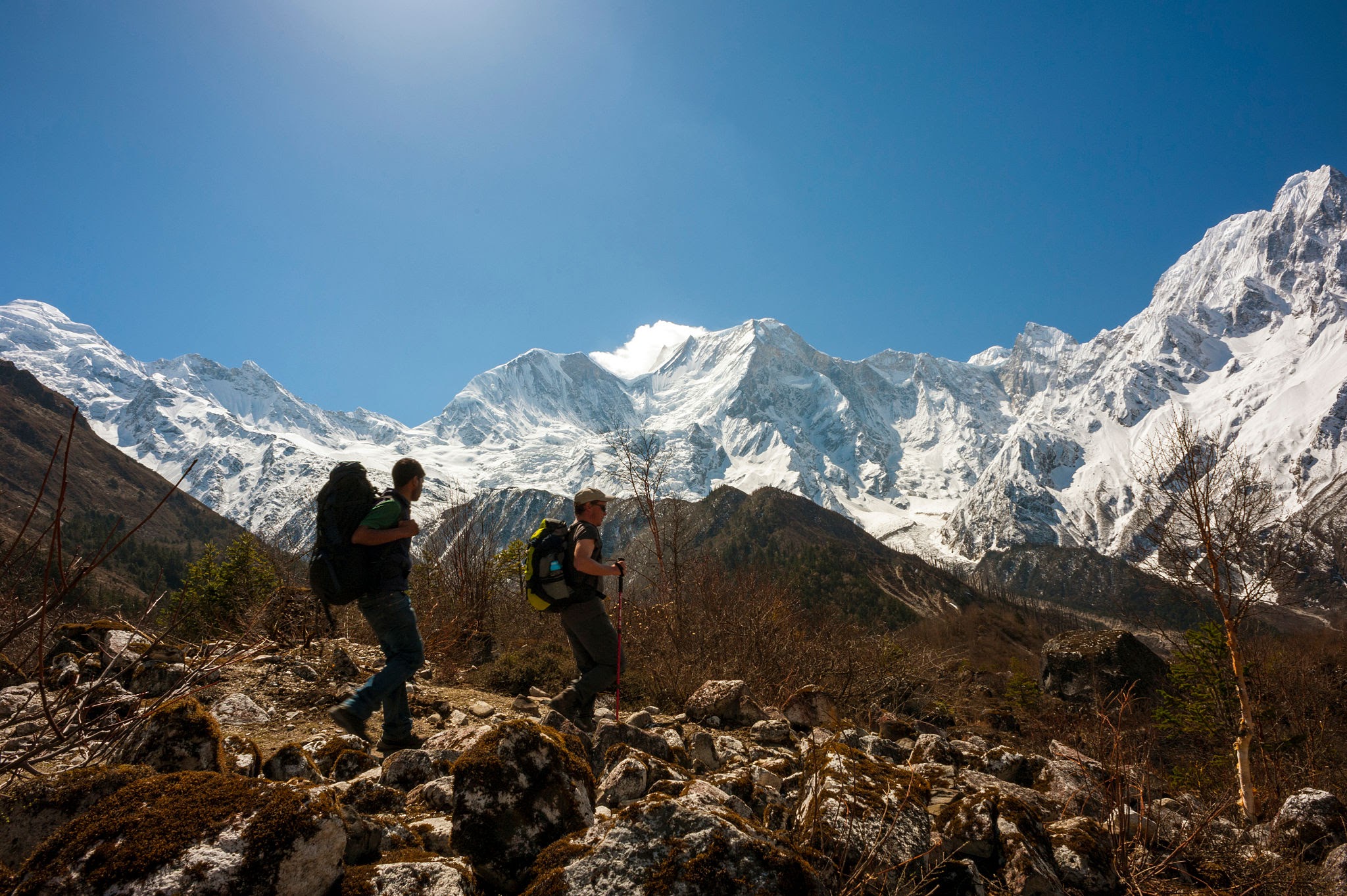
The best time for Manaslu Circuit Trek is generally during spring (March to May) and autumn (September to November). These seasons offer the best combination of relatively stable weather, comfortable trekking conditions, good mountain visibility and favorable trail conditions.
For most trekkers, October is the best overall month, while April is an excellent spring alternative. October generally provides clear post-monsoon skies and spectacular Himalayan views, whereas April offers colorful forests, blooming rhododendrons and pleasant spring conditions.
The Manaslu region experiences considerable variation in weather because the trekking route travels from relatively low valleys to high Himalayan terrain and eventually crosses the Larkya La Pass at around 5,106 meters. Therefore, choosing the right season is important not only for scenery but also for comfort, transportation, trail conditions and high-altitude safety.
Before planning your journey, you can learn more about the complete Manaslu Circuit Trek to understand the route, major attractions, altitude profile, trekking duration and overall difficulty.
According to the Nepal Tourism Board's information about the Manaslu region , March–May and September–November are among the most favorable periods for visiting and trekking in the area.
| Season | Months | Weather | Mountain Views | Trail Conditions | Overall |
|---|---|---|---|---|---|
| Spring | March–May | Generally favorable | Very good | Good | Excellent |
| Monsoon | June–August | Wet and humid | Often limited | Muddy in places | Less favorable |
| Autumn | September–November | Stable and dry | Excellent | Excellent | Best |
| Winter | December–February | Cold and snowy | Can be clear | Snow/ice possible | Challenging |
The two primary trekking seasons are spring and autumn. Autumn is usually preferred by trekkers seeking clearer skies and excellent mountain visibility, while spring is especially attractive for flowers, forests and warmer conditions.
However, there is no month that guarantees perfect weather. Himalayan conditions can change rapidly, particularly at high elevations.
If you are looking for one month that provides the best overall balance, October is arguably the best month for the Manaslu Circuit Trek.
October follows the summer monsoon season. As rainfall decreases, the atmosphere often becomes clearer and the Himalayan peaks can become much more visible. The lower valleys are also usually greener and fresher after the monsoon.
During October, trekkers can generally expect:
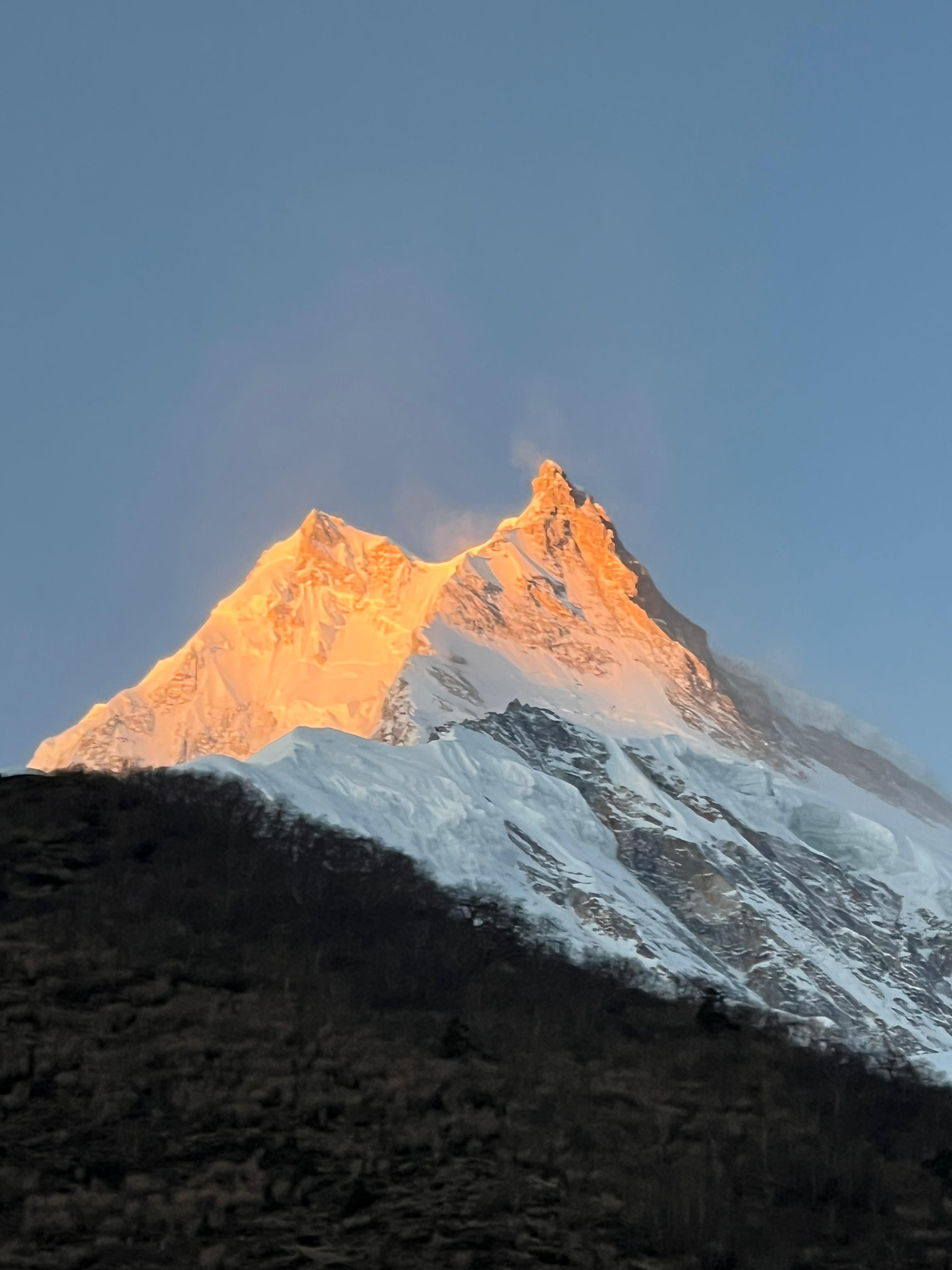
One of the biggest attractions is the possibility of seeing Mount Manaslu and surrounding Himalayan peaks against clear skies.
However, October is also one of Nepal's busiest trekking months. Accommodation and transportation can be in higher demand, particularly during the middle of the month.
If you plan to trek during peak season, arranging your Manaslu Circuit Trek itinerary and other trekking services in advance can make your journey more convenient.
September is the transition period between monsoon and autumn.
Early September can still experience rainfall, cloudy skies and wet trails because the summer monsoon may not have completely withdrawn. However, conditions usually become more favorable as the month progresses.
For this reason, late September is generally a better choice than early September for trekkers who want to experience the beginning of the autumn trekking season.
The advantages of September can include:
The main disadvantage is unpredictability during the first part of September.
If your schedule is flexible, late September can be a useful shoulder-season option.
October is one of the most popular and reliable months for the Manaslu Circuit Trek.
The monsoon has generally ended, rainfall decreases and mountain visibility can become excellent. The combination of dry trails, clear skies and comfortable daytime temperatures makes October attractive for both experienced trekkers and first-time visitors.
The weather at lower elevations is usually pleasant for walking, while higher elevations remain cold.
The most important thing to remember is that the Manaslu Circuit reaches considerable altitude. Even though October is considered a favorable month, the weather around Larkya La Pass can still become cold, windy or snowy.
Therefore, trekkers should carry appropriate warm clothing even if the weather feels warm when beginning the trek.
November is another excellent month for trekking in the Manaslu region.
The skies can remain clear and mountain visibility can be outstanding. Compared with October, however, temperatures gradually become colder as winter approaches.
November is especially attractive to photographers because crisp mountain air can provide spectacular Himalayan panoramas.
Advantages include:
The disadvantage is the increasing cold.
Late November requires more preparation for freezing temperatures, particularly at higher elevations.
If you are planning a November trek, check the latest Manaslu Circuit weather before departure and remain flexible around the Larkya La crossing.
Spring is the second major trekking season in the Manaslu region.
The spring season runs from March through May and brings gradually warmer temperatures, blooming vegetation and increasingly pleasant trekking conditions.
Spring is especially attractive to nature lovers because the forests become greener and rhododendrons can bloom along different parts of the route.
The best spring months are generally April and early May.
March marks the beginning of spring.
Lower elevations become increasingly comfortable for walking, but winter conditions can still affect higher parts of the route.
Snow may remain around high-altitude areas depending on the preceding winter, and Larkya La can still be challenging.
March can be a good choice for experienced trekkers who want fewer crowds and early spring scenery.
However, trekkers should be prepared for cold mornings, cold nights and potentially difficult high-altitude conditions.
April is one of the best months for Manaslu Circuit Trek.
The combination of spring weather, blooming flowers, green forests and good trekking conditions makes April an excellent alternative to the autumn season.
Rhododendrons, Nepal's national flower, can add spectacular colors to sections of the trail during spring.
April is particularly suitable for:
Mountain visibility can still be very good, although atmospheric conditions can vary from day to day.
If October is not suitable for your travel schedule, April is arguably the strongest spring alternative.
May is the final major month of the spring trekking season.
Early May can still provide favorable conditions. Temperatures become warmer at lower elevations, while higher sections remain cold.
As the month progresses, pre-monsoon cloud formation and occasional rainfall can become more common.
Therefore, if you want to trek in May, early May is generally preferable to late May.
The scenery can still be beautiful, with green forests and spring vegetation providing excellent contrast against the Himalayan peaks.
The June–August monsoon period is generally not the preferred time for the Manaslu Circuit Trek.
Nepal receives a substantial amount of its annual rainfall during the summer monsoon. The Nepal Tourism Board's climate information explains Nepal's seasonal rainfall patterns and the importance of the June–September monsoon.
Monsoon conditions can create several challenges:
Because the Manaslu Circuit includes road sections and remote mountain trails, rainfall can affect both transportation and trekking.
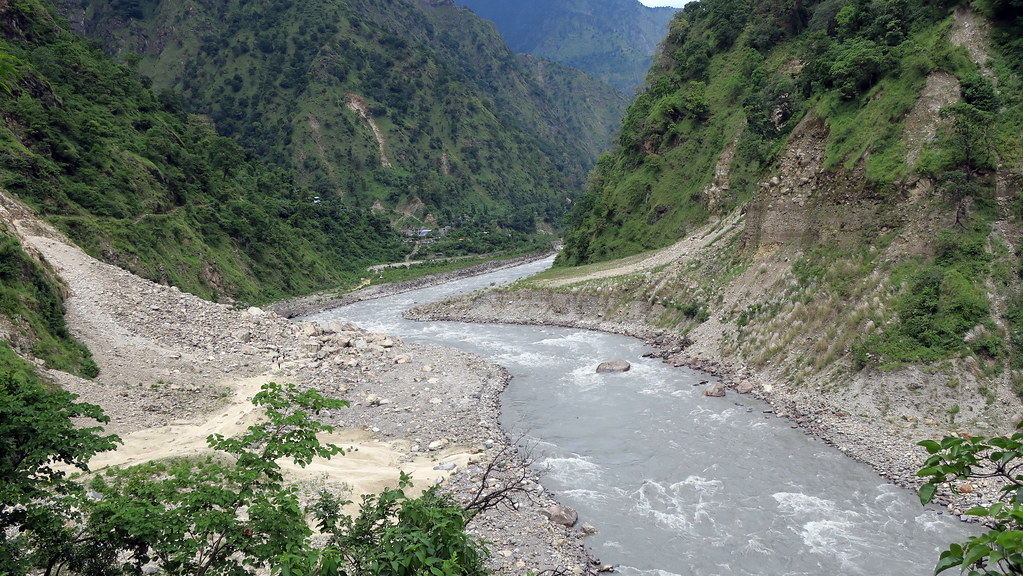
However, the weather is not identical throughout the entire region. Conditions can vary significantly according to elevation and location.
If you must travel during monsoon, allow extra days and check local conditions before beginning the trek.
If your main goal is spectacular Himalayan scenery, autumn is generally the best season.
October and November often provide excellent atmospheric clarity following the monsoon.
Early morning is usually the best time for photography because clouds may develop later in the day.
Spring can also offer beautiful views, but weather patterns can be less consistently clear than during the post-monsoon period.
For mountain photography, October is therefore one of the strongest choices.
If flowers are one of your main reasons for visiting the Manaslu region, choose spring.
April is particularly attractive because rhododendrons can bloom throughout suitable elevations.
The exact flowering period varies according to:
The lower forests may bloom earlier than higher sections.
Spring therefore provides a completely different visual experience from autumn.
If avoiding crowds is your priority, consider the shoulder periods.
Late September, early November and parts of spring can provide a quieter trekking experience than the peak periods.
The Manaslu Circuit is generally less crowded than some of Nepal's most famous trekking routes, but October can still bring significant numbers of trekkers.
Choosing a less busy period can make accommodation and trail experiences more peaceful.
However, don't choose a month solely because it is less crowded. Weather and safety should remain your primary considerations.
For first-time Manaslu trekkers, October and April are among the best choices.
These months generally offer favorable weather while avoiding the extreme cold of winter and heavy rainfall of monsoon.
However, the Manaslu Circuit should not be considered an easy trek.
The route includes:
Before booking, understand the Manaslu Circuit Trek difficulty and prepare physically for long days of walking.
Photography enthusiasts have two excellent choices.
October and November provide:
April and May provide:
Choose autumn for dramatic Himalayan panoramas and spring for colorful landscapes.
| Month | Season | General Conditions | Recommendation |
| March | Spring | Cold at high elevations, improving lower down | Good |
| April | Spring | Pleasant and colorful | Excellent |
| May | Spring | Warm, increasing clouds | Very Good |
| June | Monsoon | Increasing rainfall | Less Favorable |
| July | Monsoon | Wet and cloudy | Unfavorable |
| August | Monsoon | Wet conditions | Unfavorable |
| September | Autumn transition | Improving conditions | Good late month |
| October | Autumn | Stable and clear | Excellent |
| November | Autumn | Clear but colder | Excellent |
| December | Winter | Cold, possible snow | Challenging |
| January | Winter | Very cold, snow possible | Challenging |
| February | Winter | Cold, transition toward spring | Challenging |
These are general seasonal patterns rather than guaranteed conditions.
Temperature varies considerably with altitude.
Lower elevations can be relatively warm during the day, while temperatures around Larkya La and other high sections can fall below freezing.
This means trekkers should avoid relying on Kathmandu or lower-valley weather forecasts when preparing for the entire journey.
You need clothing suitable for multiple climatic zones.
The best approach is a layering system that allows you to add or remove clothing as temperatures change.
Your Manaslu Circuit Trek Packing List should change according to the season.
For October and November, bring:
Spring requires similar equipment.
Lightweight layers are particularly useful during warmer daytime periods.
A waterproof shell is still recommended because spring weather can change quickly.
For monsoon trekking, consider:
Winter requires additional insulation:
Good equipment is particularly important around Larkya La.
The trekking season can influence the cost and availability of some services.
During peak seasons, demand for accommodation, guides, transportation and other services can increase.
If you are planning your budget, read the detailed Manaslu Circuit Trek Cost guide before booking.
Your overall budget can include:
Rather than choosing the cheapest package, compare what each trekking package actually includes.
Transportation is another important consideration.
The Manaslu Circuit begins with road transportation before the trekking section continues deeper into the mountains.
During monsoon, heavy rainfall can affect rural roads and increase the possibility of landslides and delays.
Autumn generally provides better road conditions after the monsoon.
Before leaving Kathmandu, check the latest transportation situation and read the Manaslu Circuit Trek Transportation Guide for detailed information about reaching the trailhead.
The Manaslu region has specific trekking regulations because parts of the route fall within a restricted trekking area and protected conservation territory.
Trekkers should arrange the required permits before beginning the trek.
The current requirements can include restricted-area permits, conservation-area permits and other trekking documentation depending on the route and regulations in force.
Because rules can change, always verify the latest information through the Nepal Department of Immigration and relevant Nepal government authorities.
You can also read our detailed Manaslu Circuit Trek Permits and TIMS Guide before planning your trip.
Do not rely solely on old trekking blogs because permit requirements and fees can change.
The Manaslu Circuit passes through the Manaslu Conservation Area , an important protected landscape in the Nepal Himalayas.
The conservation area contains diverse ecosystems, forests, wildlife habitats and dramatic mountain landscapes.
Trekkers should follow conservation rules throughout the journey.
This includes:
Responsible trekking helps protect the region for future visitors and local communities.
Choosing the best season does not eliminate altitude-related risks.
The Manaslu Circuit reaches more than 5,000 meters, and altitude should be taken seriously.
Proper altitude acclimatization is important for reducing the risk of altitude-related problems.
A good itinerary should include appropriate acclimatization and gradual elevation gain.
If you experience symptoms such as severe headache, difficulty breathing, confusion or significant deterioration at altitude, do not simply continue upward. Inform your guide and follow appropriate safety procedures.
For this reason, your Manaslu Circuit Trek Itinerary should be designed around sensible acclimatization rather than trying to complete the route as quickly as possible.
Accommodation can also vary according to season.
During October and April, popular teahouses can become busy.
Booking and planning ahead is particularly useful during peak trekking periods.
If you want to understand where trekkers generally stay along the route, see our guide to Manaslu Circuit Trek Accommodation .
During quieter months, accommodation may be less crowded, but some services can have reduced availability during winter.
Both autumn and spring are excellent, but they provide different experiences.
If you are primarily interested in mountain visibility, choose October or November.
If flowers and forests are more important, choose April or early May.
| Priority | Recommended Time |
| Best overall experience | October |
| Clear mountain views | October–November |
| Spring flowers | April |
| Green landscapes | April–May |
| Fewer peak-season crowds | Late September / early November |
| Cooler autumn trekking | November |
| Early spring experience | March |
| Experienced winter trekking | December–February |
| Monsoon trekking | June–August, generally less favorable |
October is one of Nepal's busiest trekking months.
However, the Manaslu Circuit generally does not experience the same level of congestion as some of Nepal's most famous trekking routes.
The popularity of October also has advantages. More trekkers are on the route, teahouses are operating fully and trekking services are generally easier to arrange.
If you prefer quieter trails, consider late September, early November or spring.
Decide whether you care most about mountain views, flowers, weather, fewer crowds or budget.
The high pass is one of the most important factors in determining the appropriate season.
Don't build an itinerary with no flexibility.
Weather, road conditions and altitude can all create delays.
Historical climate information is useful, but actual Himalayan weather can differ from seasonal averages.
Even during October and April, high elevations can be extremely cold.
Complete your required trekking arrangements before departure.
Your travel insurance should cover trekking at the altitude you will reach.
Experienced local guides understand current trail, weather and mountain conditions better than a generic seasonal forecast.
October or April
These months offer a strong combination of favorable conditions and scenery.
October or April
October provides clear Himalayan panoramas, while April provides flowers and colorful forests.
April
Spring offers some of the most colorful landscapes.
October–November
Post-monsoon atmospheric clarity can be excellent.
December–February
Only with appropriate equipment, preparation and current condition checks.
Late September or early November
These shoulder periods may offer fewer trekkers than peak October.
October is generally considered the best month because it offers an excellent combination of relatively stable weather, dry trails and good Himalayan visibility.
Yes. April is one of the best spring months. It offers pleasant trekking conditions, green landscapes and rhododendron flowers in suitable areas.
Yes. Late September is generally more favorable because monsoon influence usually decreases as the month progresses.
Yes. November can provide excellent mountain visibility, although temperatures become colder, especially at high elevations.
Experienced trekkers can attempt it, but winter conditions can make Larkya La and other high-altitude sections significantly more challenging.
Yes, technically, but June–August is generally less favorable because of rainfall, muddy trails, landslides, road disruptions and limited mountain visibility.
Both are excellent. October is better for post-monsoon mountain visibility, while April is better for spring flowers and greener landscapes.
June–August is generally less favorable because of monsoon rainfall, while December–February can be difficult because of freezing temperatures and snow at high elevations.
Temperatures vary significantly by elevation. Lower valleys can be comfortable during daytime, while high-altitude sections can be very cold, particularly at night and around Larkya La.
Allow some flexibility in your itinerary. Road delays, changing weather and high-altitude conditions can affect the schedule.
October is generally one of the more favorable trekking periods, but no season guarantees safe conditions every day. Weather around high passes can change rapidly, so current conditions and local guidance should always be considered.
Manaslu has specific trekking regulations, particularly because parts of the region are classified as restricted areas. Check the latest rules with the Nepal Department of Immigration or a registered trekking agency before departure.
For most travelers, October is the best time for Manaslu Circuit Trek.
The month provides an excellent combination of autumn weather, relatively dry trails, comfortable daytime trekking conditions and spectacular Himalayan visibility.
If you prefer spring scenery, April is an excellent alternative. The forests become greener, rhododendrons can bloom and temperatures are generally pleasant for trekking.
November is another excellent choice for travelers who prioritize clear mountain views and don't mind colder temperatures.
Late September can be a good shoulder-season option, while May can work particularly well during the first part of the month.
The monsoon months of June, July and August are generally less favorable because of rainfall, muddy trails, landslides and transportation challenges.
Winter, from December to February, can provide beautiful clear days but brings significantly colder temperatures and potentially difficult snow conditions around Larkya La.
Ultimately, the best month depends on your priorities. If you want the safest general recommendation for scenery and trekking conditions, choose October. If you want flowers and spring landscapes, choose April.
Whatever month you select, prepare properly for altitude, cold weather and rapidly changing mountain conditions. Check the latest weather, transportation, trail and permit information before departure.